Your website shouldn’t feel like a liability. But bad ones do.
Whether it’s sluggish speed, poor user experience, or SEO-killing structure, the real cost of a subpar site creeps in slowly, then snowballs.
Bad design doesn’t just look cheap, it makes you look cheap.
In an era where even non-tech users scroll with designer-level standards, poor visuals, broken links, or mobile bugs immediately erode trust.
And 75% of users admit to judging a business’s credibility based entirely on its website.
“Users judge a website’s credibility in 0.05 seconds.”
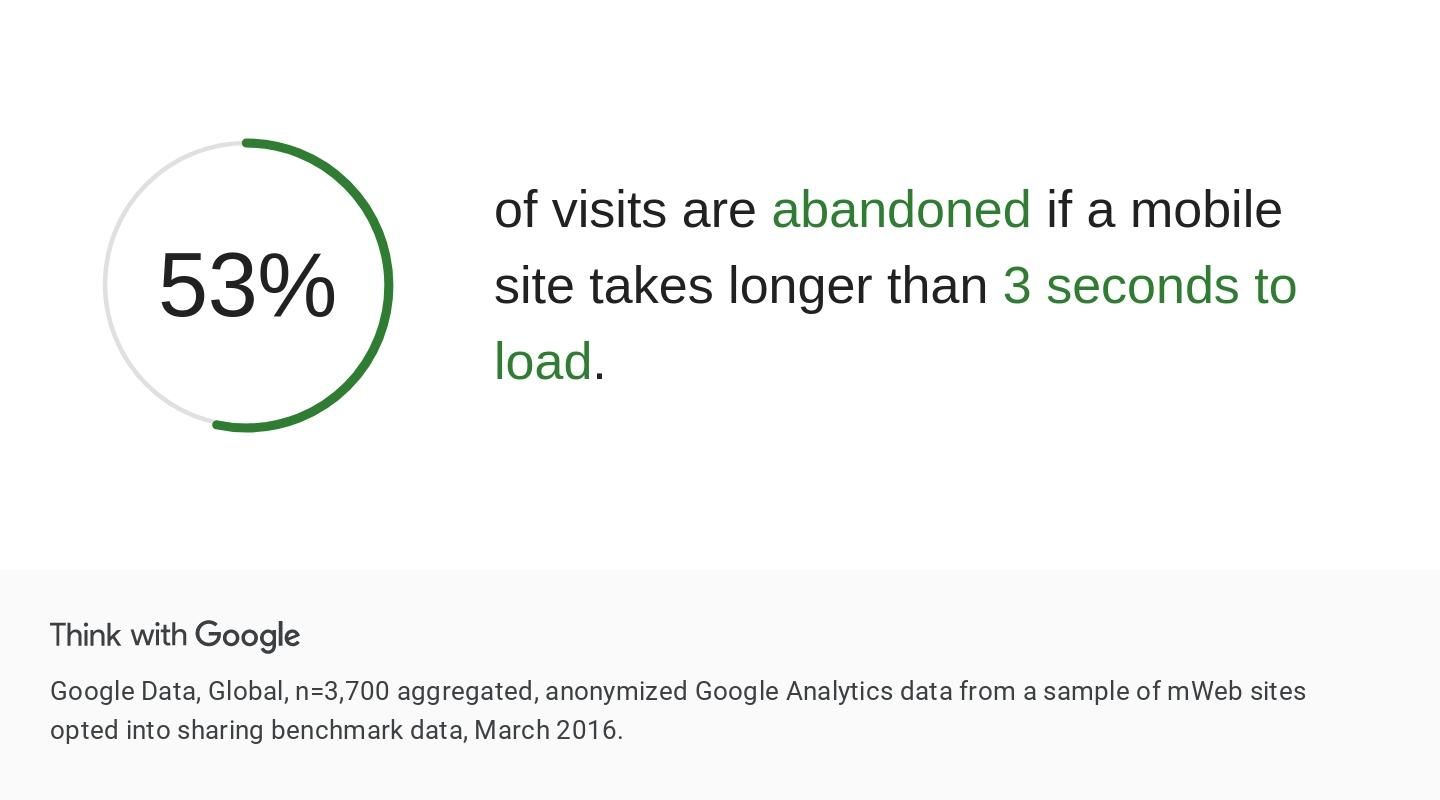
1 in 2 users abandon a site that takes more than 3 seconds to load.
A “pretty but broken” site kills your search visibility. Bad structure, slow load times, or no schema, all will cut you off from organic traffic before Google even considers your content.
| Red Flag | Impact on SEO |
| No mobile optimisation | Lower rankings on mobile searches |
| Missing metadata/schema | Poor indexing, weak snippets |
| Slow site speed | Higher bounce rate; ranking drop |
| Lack of SSL/security | Google labels site “Not Secure” |
Conversions don’t come from traffic. They come from trust and usability.
If users can’t navigate, find key info, or trust your site enough to submit a form, you’ve lost the lead before it began.
Quick stats:
- 88% of users won’t return after a bad experience
- 70% of small business websites lack a CTA on their homepage
You’ll Pay to Rebuild Anyway
Nearly half of small business owners who cut corners on their website end up doing a full rebuild within 18 months. The average small business website is redesigned every 1.5 to 2 years due to outdated UX and missed goals.
And that doesn’t include lost revenue, wasted ad spend, or SEO recovery efforts.
The bottom line, a bad website actively damages your business.
It pushes customers away, drains your visibility, and turns your brand into a liability.
Fixing it later will always cost more.