In today’s world, your website isn’t just a digital brochure; it’s often the first impression your business makes. For small businesses especially, strong web design can be the difference between attracting new customers and losing them to a competitor with a more polished presence.
These 10 essential tips will help you create a platform that reflects your brand while supporting your growth.
1. Design for Mobile First
With over 60% of web traffic now coming from mobile devices, your site needs to perform beautifully on small screens. A mobile-first approach isn’t optional anymore; it’s the foundation for both usability and SEO.
2. Keep Navigation Simple and Predictable
Users shouldn’t have to think about where to click next. Simplify your menus and make navigation easy to follow:
- Limit top-level menu items to 5–7
- Group related pages into dropdowns
- Always include a clear “Contact” or “Get a Quote” link

3. Use Clear, High-Contrast CTAs
A call-to-action isn’t just a button—it’s the bridge to conversion. Use contrasting colors, direct verbs (“Get Started,” “Book Now”), and consistent placement across pages.
Personalized CTAs perform more than 200% better than generic ones.
4. Stay Consistent with Branding
Your visuals should feel like they all belong to the same story. From colors to tone of voice, brand consistency signals professionalism and builds trust.
5. Make Speed a Priority
Slow websites are silent deal-breakers. A one-second delay in load time can cost you 7% in conversions. Keep your site fast by:
- Compressing and lazy-loading images
- Avoiding bloated plugins
- Using performance-optimized themes and reliable hosting

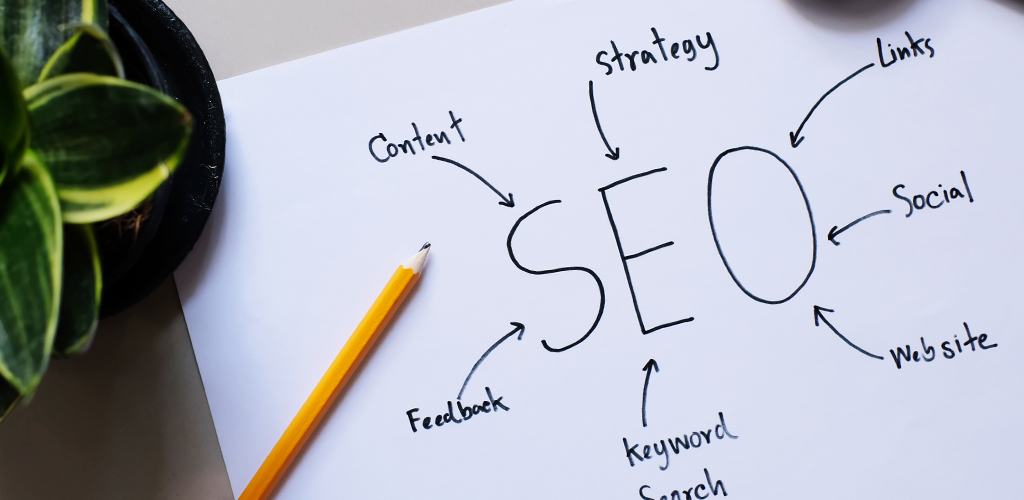
6. Optimize for Local SEO
If your business serves a physical location or region, local SEO is critical. This means:
- Using city/region keywords on key pages
- Creating and optimizing a Google Business Profile
- Earning reviews and citations from local directories
7. Make Contact Info Easy to Find
Your phone number, email, and contact form shouldn’t be hidden. Include them in your site header or footer; on every page. 44% of visitors will leave if they can’t quickly find a way to reach you.
8. Clarify Your Homepage Message
You’ve got 8 seconds to grab attention.
Make sure your homepage headline clearly answers:
- What do you do?
- Who do you serve?
- Why should they care?
If a visitor can’t figure it out in one scroll, they’ll bounce.
9. Choose Clean, Readable Fonts
Stick to one or two professional, easy-to-read fonts. Avoid novelty typefaces. Google Fonts is a great resource for fast-loading, accessible options that work across devices.
10. Add a Blog or Resource Section
A blog isn’t just for news; it’s a long-term SEO and trust-builder. Businesses that blog get 55% more traffic than those that don’t.
Use this to answer questions, share case studies, or explain your process.
Final Thoughts: Your Website Is a Business Tool
When it’s built right, your website doesn’t just look good; it works hard. It brings in leads. It builds trust. It tells your story the way you want it told.
If you’re serious about turning your website into a growth engine, these tips are the foundation. And if you need help putting it all together (from layout and speed to SEO and strategy) that’s where we come in.
Ready to level up your site?
Let’s build something smart together.